Kanchanaburi Day Trip From Bangkok: River Kwai Bridge, Death Railway and Erawan
Updated November 2026
Add Royal Ivory as a preferred source on Google
Why Kanchanaburi is worth a day
Kanchanaburi, west of Bangkok, is where history and landscape meet. It is known for the Bridge on the River Kwai and the so-called Death Railway, built during the Second World War, and for the national park around Erawan waterfall. It suits visitors who have seen the main Bangkok sights and want a change of pace; see our 7-day itinerary for where it fits in a longer stay.
It is a long day trip, so decide what matters most: the bridge and train ride, or the waterfall. Doing both in one day is possible mainly on a tour or with a private driver. The details below come from published timetables and travel guides, and prices change, so treat them as a guide ("as of November 2026", confirm locally).
What to see
- Bridge on the River Kwai. The famous steel bridge is in the town and can be walked across. The railway line continues west from here, and trains cross it as part of the journey.
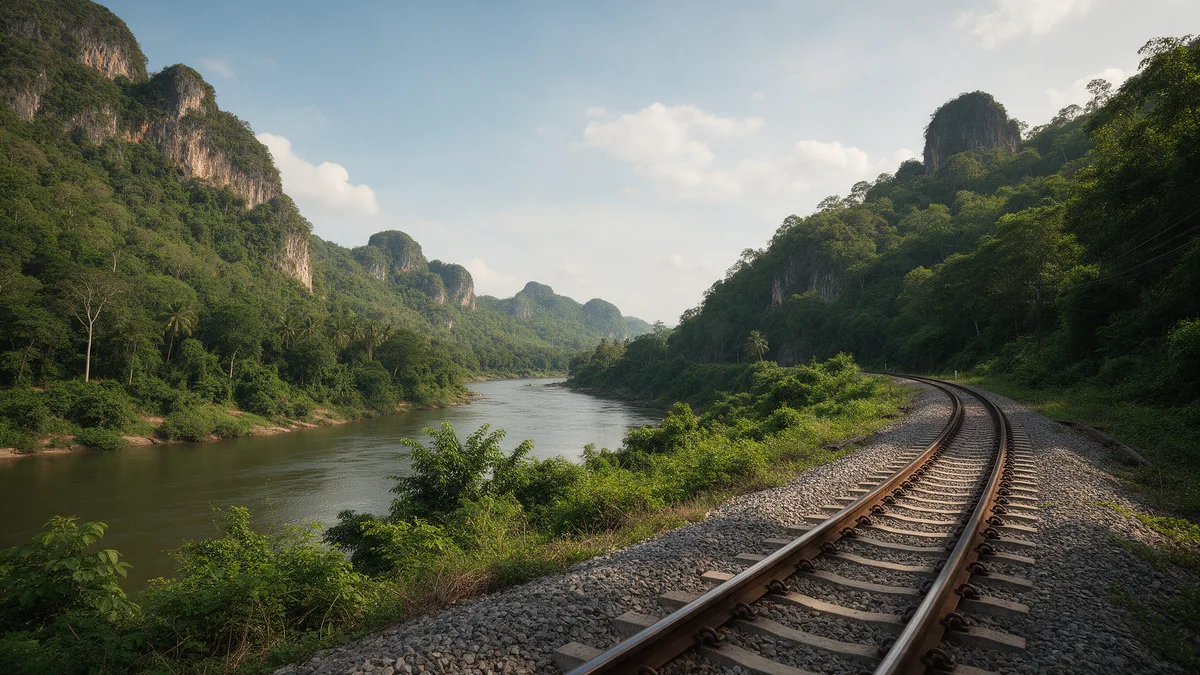
- Death Railway. This is the Thailand to Burma line built with forced labour. The scenic section hugs cliffs and river edges toward Nam Tok.
- War memorials and museums. Kanchanaburi has a war cemetery and several museums. Opening hours and entry fees vary, so check before you go.
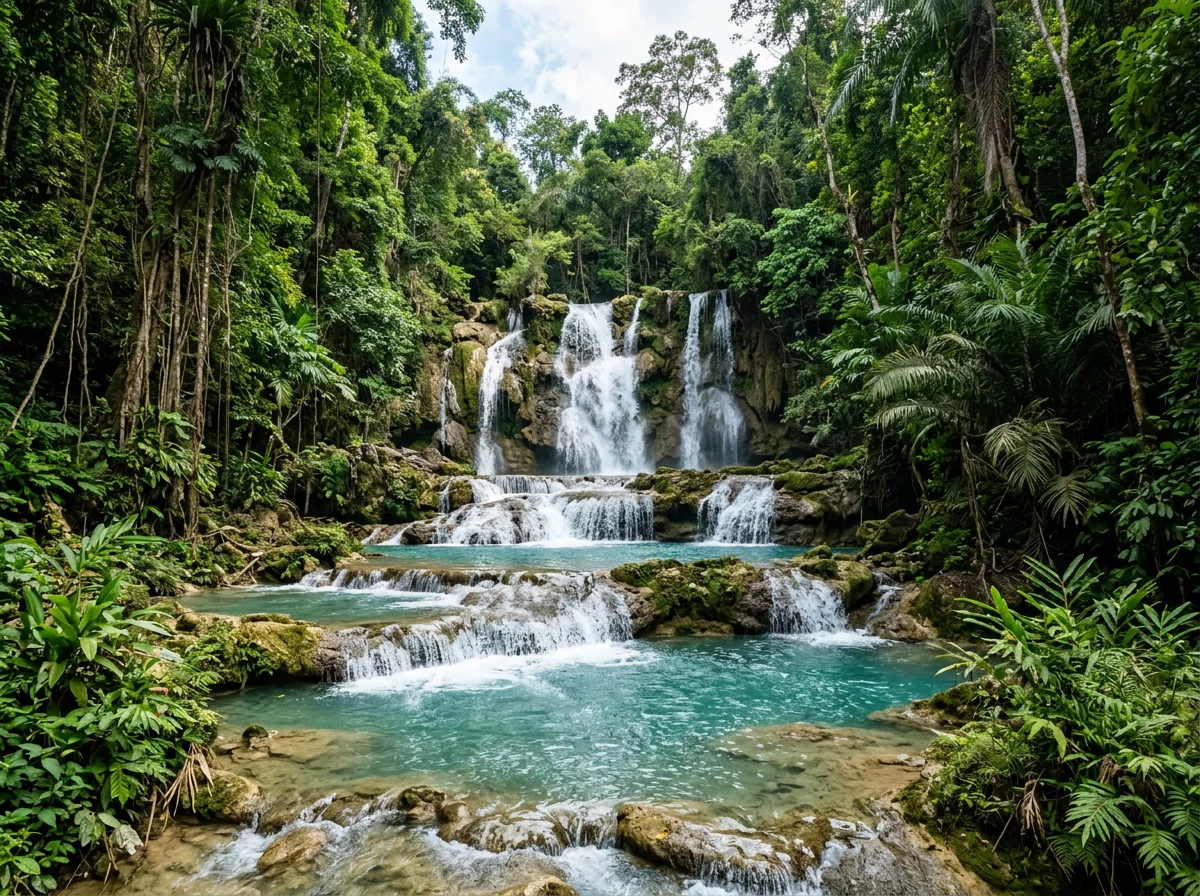
- Erawan National Park. A multi-tier waterfall with pools. Our Erawan waterfall guide covers the walk and what to bring. Published guides give park hours of about 8:00 to 16:30 and a foreigner entrance fee of about 300 baht, but these are not official figures, so confirm before you go.
Option 1: the train
The State Railway of Thailand runs ordinary (third class) trains from Thonburi (Bangkok Noi) station, on the west bank of the river. Published timetables list a morning train at around 07:45, reaching Kanchanaburi at about 10:30, and an afternoon train at about 13:55. The fare for foreigners on the regular train is reported as a flat 100 baht each way. Tickets are bought at the station, usually on the day.
The ride is slow, with open windows and fans, but you cross the bridge and see the countryside. A workable return is the train that leaves Nam Tok around 13:00, reaches Kanchanaburi around 14:43 and Thonburi about 17:40. That gives roughly four hours in the town, enough for the bridge, a museum and lunch, but not Erawan.
On Saturdays, Sundays and holidays an excursion train has been reported from Bangkok's Hua Lamphong station, with advance booking. Services change, so check the railway's official site or the station. To reach Thonburi, a taxi or ride-hailing car from the Nana area is simplest; see the Grab and taxi guide. Some visitors reach the area by river boat, as described in the Chao Phraya Express Boat guide.
Option 2: bus or minivan
Buses run from Bangkok's Southern Bus Terminal (Sai Tai Mai) to Kanchanaburi about every 15 minutes in the morning, reportedly taking around two hours at roughly 110 baht. Minivans also run on this route. Fares and frequency vary, so check on the day. A bus gives you more flexibility than the train and lets you stay later. You then use tuk-tuks, local songthaews or bicycles in town.
To get to the terminal from Nana, use a taxi or ride-hailing car, or see the MRT guide for part of the way. Allow extra time for morning traffic.
Option 3: organised tour or private driver
If you want the bridge, a train segment and Erawan in a single day, an organised tour or private driver is realistic. Tours generally include pick-up, transport and a set itinerary, with prices varying by operator and group size, so compare inclusions such as entrance fees and lunch. A private driver gives you control over timing but costs more.
| Option | Best for | Trade-off |
|---|---|---|
| Train | Scenery, the bridge crossing | Slow, limited departures, no Erawan |
| Bus or minivan | Flexible budget trip | Less scenic, need local transport in town |
| Tour | Bridge, train and Erawan together | Fixed schedule, higher cost |
| Private driver | Families, groups, control | Highest cost |
Early start, comfortable return
An early departure suits Kanchanaburi. Royal Ivory Nana Hotel is about 2 minutes' walk from BTS Nana and has a pool for cooling off after a long day.
See Our RoomsA sample day by train and bus
- Early: leave Nana for Thonburi station and buy a ticket for the morning train.
- Mid-morning: arrive in Kanchanaburi, cross the bridge and walk the riverside.
- Midday: lunch in town and a museum or war cemetery visit.
- Afternoon: catch the return train from Kanchanaburi, or take a bus if you want a later return.
Practical tips
- Dress for heat and sun, and wear shoes you can walk in. Cover up respectfully at memorial sites.
- Carry cash, since small shops and ticket windows may not accept cards or QR payments (see the cashless payment guide).
- Weekends and public holidays are busier; see the public holidays guide.
- Consider overnighting if you want Erawan and the bridge without rushing, or compare with the Ayutthaya day trip.
- See our best time to visit page for weather: waterfalls are fuller in the rainy season, but roads and trails can be slippery.
If you are planning several trips, our Amphawa evening market guide covers a lighter alternative that suits Fridays to Sundays, and our rooms page has details of staying in Nana between trips.
A note on the history
The railway at the heart of this trip was built during the Second World War by prisoners of war and Asian labourers, and many thousands died. For that reason the bridge, cemetery and museums are places of remembrance as much as sightseeing. Dress respectfully, speak quietly at memorials, and avoid posing for lighthearted photos at graves and memorial walls. Reading a little background before you go makes the day more meaningful.
Choosing between the options
If this is your first time and you only have one day, a tour or private driver is the most efficient way to see both the railway and Erawan. If you have two days, the train and an overnight stay give you the unhurried, local experience, and you can visit Erawan on the second day by local bus or taxi. If you simply want the famous bridge and a scenic train ride, the independent train-and-bus day described above is the cheapest approach and gives a good sense of the area.
Timing and weather
Kanchanaburi is hot and humid for much of the year. The rainy season brings fuller waterfalls but also slippery paths, and the cooler months are more comfortable for walking. Start early, carry water, and give yourself a buffer before the last train or bus back, since delays happen.
Key Takeaways
- Kanchanaburi is a long day trip; decide between the bridge and train or Erawan.
- The regular train from Thonburi station is slow, scenic and reported at about 100 baht for foreigners each way.
- Buses from the Southern Bus Terminal are more flexible, and tours combine the bridge with Erawan.
- Erawan is reported at about 8:00 to 16:30 and 300 baht for foreigners; confirm before you go.
- Check timetables, fares and opening hours on the day, as they change.
Frequently Asked Questions
How long does it take to get from Bangkok to Kanchanaburi?
By train it takes roughly two and three-quarter hours, and by bus or minivan about two hours, depending on traffic. Add time to reach the station or terminal from your hotel.
How much is the train to Kanchanaburi?
Published guides report a flat fare of about 100 baht each way for foreigners on the regular train from Thonburi. Fares change, so confirm at the ticket window.
Can I see Erawan waterfall and the River Kwai bridge in one day?
It is possible on an organised tour or with a private driver and an early start. By public train it is not realistic, because the train timetable leaves little time and Erawan is a separate trip.
Is Kanchanaburi better by train, bus or tour?
The train is best for the scenery and the bridge crossing, the bus is more flexible, and a tour is best if you want Erawan as well. Pick based on how much you want to see in one day.
What should I bring on a Kanchanaburi day trip?
Bring water, sun protection, cash, comfortable shoes and swimwear if you plan to visit the waterfall. A light layer is useful for air-conditioned buses.