Common Tourist Scams in Bangkok and How to Avoid Them
Updated October 2026
Add Royal Ivory as a preferred source on Google
Keep it in proportion
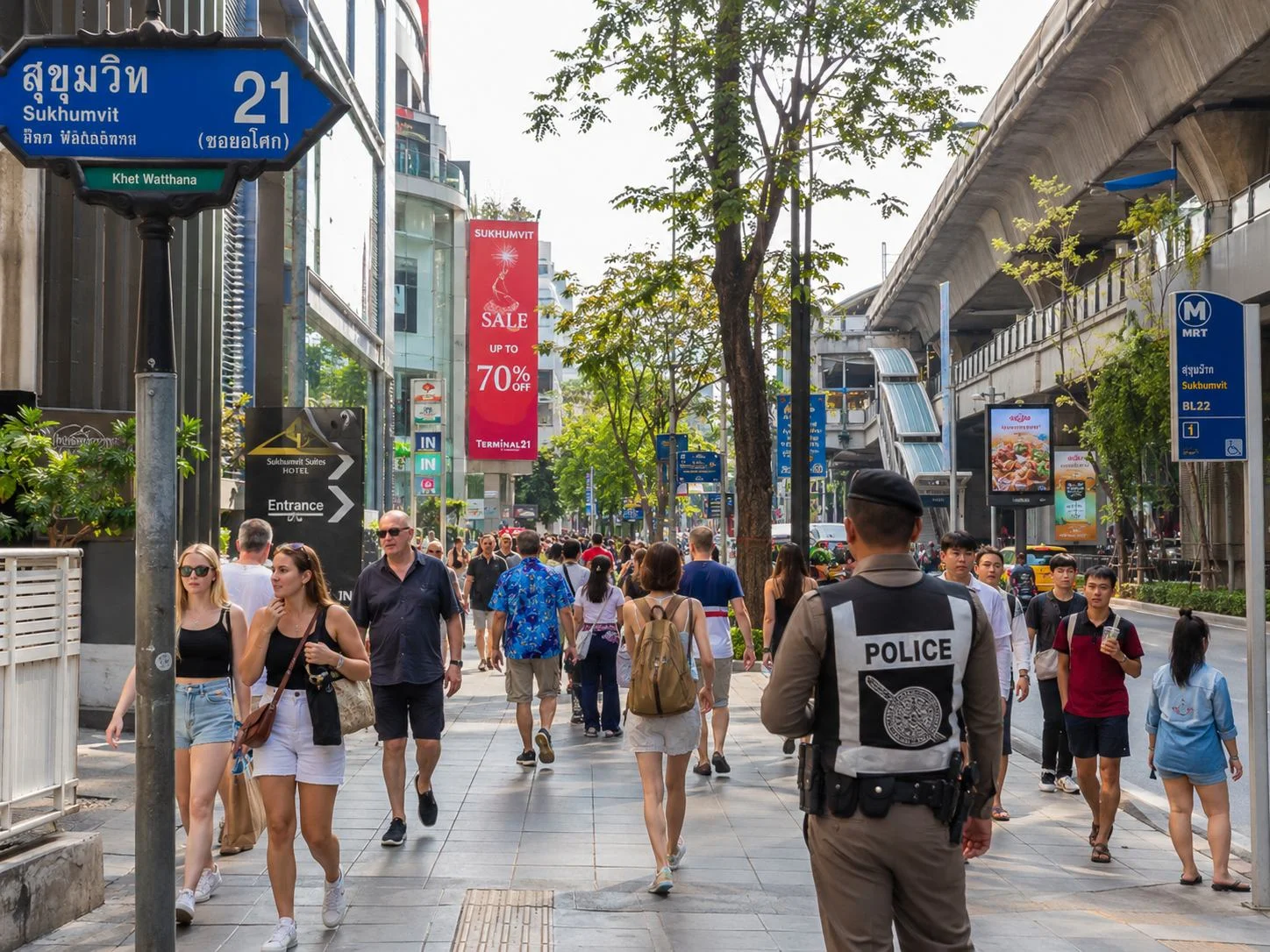
Bangkok is visited by millions of people every year, and the large majority have no serious problems. Most scams here are low-violence, persuasion-based tricks aimed at people who are new to the city and in a hurry to be helpful or polite. They work because they sound friendly and plausible. Knowing the handful of common patterns is usually enough to avoid all of them.
The advice below reflects patterns widely reported by travel authorities and embassies, including government travel advice pages that point visitors to the Tourism Authority of Thailand (TAT) for guidance, and to the Tourist Police. If you want to check anything, those are the places to start. For wider safety habits, read our Bangkok safety guide.
1. The "it's closed today" story
This is the most famous Bangkok trap. Near a major attraction, a friendly person tells you that the site is closed for a ceremony, a lunch break or a holiday, and suggests a short tuk-tuk ride to another sight or a "special" market instead. The ride tends to end at a shop that pays the driver a commission.
How to avoid it: ignore unsolicited advice about opening hours. Walk to the entrance, or check the official website for the attraction before you leave. The Grand Palace and the major temples publish their own hours, and genuine closures are announced at the gate, not by strangers on the street. Our temples guide covers what to expect at each.
2. Gem shops and "special" jewellery offers
A stranger, often well dressed and chatty, explains that there is a government-backed sale or a rare tax-free window, and that you can buy gems cheaply and sell them for a profit at home. You are taken to a shop where the "bargain" stones are priced far above their real value. The promised resale never works.
How to avoid it: do not buy gems as an investment, and never as the result of an approach by a stranger. If you want jewellery as a souvenir, buy from an established shop where you have chosen the location yourself, ask for written descriptions of the stones, and keep your receipt. Our gems and jewellery shopping guide explains how to shop with more confidence.
3. Tuk-tuk detours and "tour" prices
Some tuk-tuk drivers offer very cheap or even free city tours. The catch is that they stop at shops, tailors or travel agencies where they receive commissions, and you feel pressure to buy. Others quote a normal-sounding price and then change it at the end of the ride.
- Agree the destination and total price before you get in, and say clearly that you do not want any stops.
- Treat a tuk-tuk as a short, fun ride, not as a way to see the city.
- Use a ride-hailing app if you want the fare shown in advance.
Our Grab, taxi and tuk-tuk guide explains typical options and how to book.
Staying near Nana?
Royal Ivory Nana Hotel Bangkok is at 73 Sukhumvit Soi 4, about 2 minutes' walk from BTS Nana. See the rooms or call +66 2 656 7888 with any question before you travel.
4. Taxis that refuse the meter
Metered taxis are the norm in Bangkok, and drivers are expected to use the meter. A driver who says "meter broken", quotes a fixed price far above the likely fare or refuses short rides is not following the normal rules. Particularly in tourist areas or late at night, this is common enough to be worth planning for.
How to avoid it: ask "meter, please" before you get in. If the driver refuses, close the door and try another taxi. Better still, use a ride-hailing app, where the route and price are shown in advance. If you do use a taxi, show your destination on your phone map. At airports, use the official taxi queue and ignore touts who approach you in the arrivals hall; our airport to Nana guide lists the safer options.
5. Motorbike and scooter rental damage claims
A rental shop may claim after return that a bike has damage you did not cause, or hold your passport as a deposit. This is widely reported in tourist areas of Thailand.
How to avoid it: photograph or film the whole vehicle before you ride away, keep your passport and offer a different deposit if you need to, and check that your travel insurance and driving licence cover the bike. Read the motorbike taxi and scooter rental guide before you decide.
6. Money tricks: dynamic currency conversion and short change
Two quieter problems cost visitors more than many obvious scams. One is a card terminal or ATM that offers to charge you in your home currency; the rate is usually worse, so choose Thai baht. The other is short change, especially when you pay with a large note at a busy stall. Count your change and keep notes in small denominations. See the currency exchange guide for where to exchange cash, and the tipping and bargaining guide for what a fair price looks like at markets.
7. Aggressive upsells: suits, tours and "same-day" promises
Tailoring is a genuine Bangkok strength, but some shops use pressure, vague quotes or promises of impossibly fast delivery. Agree the fabric, price and fitting schedule in writing, and be wary of anyone who approaches you on the street to steer you to a shop. Our tailor-made suits guide has practical advice. The same caution applies to unusual tour offers and to any venue that will not show a price list.
8. Bar and venue bills
If you go out at night, always look at the price list before you order, check the bill line by line and pay only for what you ordered. If a bill is wrong, stay calm, ask politely for the menu price, and involve the Tourist Police if you feel threatened. For area-specific advice, see our Nana safety guide.
What to do if something goes wrong
Stay calm, do not hand over more money, and leave the situation if you can. The Tourist Police can be reached on 1155 (English-speaking), and general police on 191. Keep receipts and take photos of shops, vehicles and licence plates. If you have lost a passport or been the victim of a serious crime, contact your embassy; our emergency and embassy guide explains the steps.
If you are looking for a base from which a short, easy walk to the skytrain keeps you away from taxi haggling, see the rooms at Royal Ivory Nana Hotel on Sukhumvit Soi 4, about 2 minutes' walk from BTS Nana.
Key Takeaways
- Never trust a stranger who says an attraction is closed; check the official hours yourself.
- Do not buy gems or jewellery on a stranger's advice, and do not treat them as an investment.
- Agree prices and no stops before a tuk-tuk ride, or use a ride-hailing app.
- Ask for the meter before you get into a taxi, and leave if the driver refuses.
- For problems, call the Tourist Police on 1155 and keep your receipts and photos.
Frequently Asked Questions
Is Bangkok dangerous for tourists?
Not generally. Most visitors have trouble-free trips, and the common scams involve persuasion and overcharging rather than violence. Normal city precautions and a few known patterns to avoid are enough.
Is the Grand Palace ever closed unexpectedly?
Closures happen for official events and are announced by the venue. A stranger telling you it is closed is a well-known scam, so check the official website or walk to the entrance to confirm.
Should I always use the taxi meter in Bangkok?
Yes. Ask for the meter before you get in, and choose another taxi if the driver refuses. A ride-hailing app is an alternative because the fare is shown before you start.
Are Thai gem shops safe to buy from?
Established shops can be fine for souvenirs, but avoid buying gems as an investment or after a stranger approaches you. Choose the shop yourself and keep written descriptions and receipts.
Who do I call if I am scammed in Bangkok?
Call the Tourist Police on 1155, which has English-speaking operators. For lost documents or serious incidents, contact your embassy as well.


