Tipping in Bangkok and Bargaining at Markets: A Practical Money Guide
Add Royal Ivory as a preferred source on Google

Is Tipping Expected in Bangkok?
Tipping is not expected or required in Bangkok the way it is in the US, but small tips are increasingly common and genuinely appreciated for good service. Thai culture doesn't have a deep-rooted tipping tradition, so nobody will chase you down for a missed tip — but leaving a little extra is a polite, low-cost way to say thank you.
The exception is anywhere service charge is already added to the bill (see the section below) — in those cases an additional tip is a bonus, not an obligation. If you're also budgeting for the trip more broadly, our Bangkok budget travel guide covers where tipping fits into typical daily spend.
How Much to Tip: Restaurants, Taxis, Spas and Hotels
As a baseline, round up or add 20-50 baht for everyday services, and a bit more for spa treatments or exceptional help. Exact amounts by scenario:
- Restaurants (no service charge): round the bill up, or leave 10-15% for sit-down meals with table service.
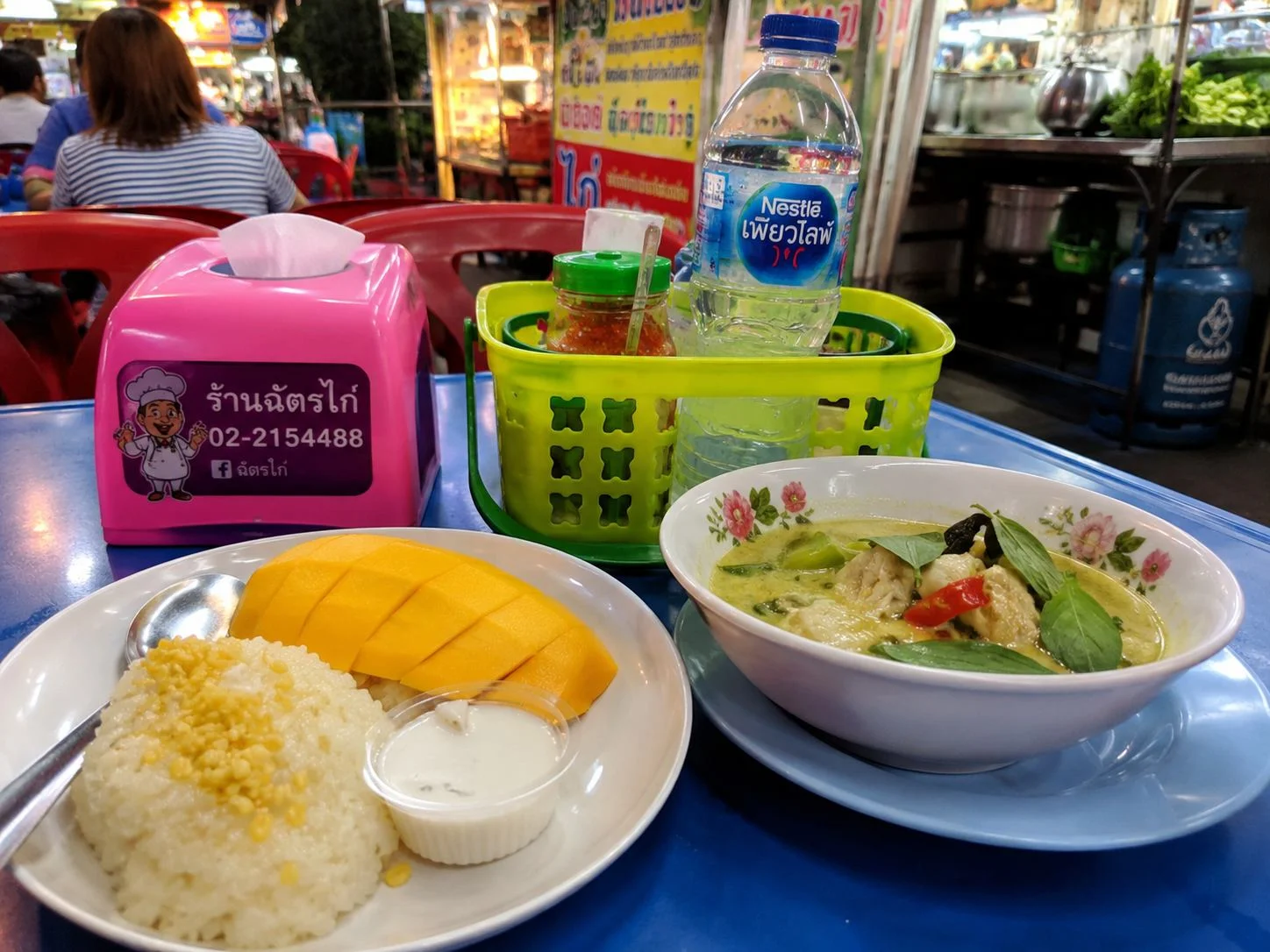
- Street food and food courts: tipping isn't customary — a smile and correct change is fine.
- Taxis: round up to the nearest 10-20 baht rather than waiting for exact change.
- Hotel bellhops/porters: 20-40 baht per bag is standard.
- Housekeeping: 20-40 baht per day, left visibly in the room.
- Spa and massage therapists: 100-200 baht for a one-hour treatment is generous and well-received.
- Tour guides and drivers: 100-200 baht per person per day for a good guide on a private tour.
At Royal Ivory Nana Hotel, staff never expect tips and will never hint for one — but guests often leave a small envelope for housekeeping or the front desk team after a helpful stay, and it's always warmly appreciated.
Understanding Service Charges vs Tips
A service charge (usually 10%) is a fee already added to your bill at many hotels and higher-end restaurants — it is not the same as a tip and typically doesn't go directly to your server. A tip is extra money you choose to give on top, directly acknowledging good service.
Check your bill before adding anything extra: look for a line labeled "service charge" or a percentage already calculated into the subtotal. If it's there, you've technically already paid for service — anything more is optional generosity, not a second obligation. Many tourists double-tip by accident because they don't check the printed bill closely.
When and Where Bargaining Is Appropriate
Bargaining is expected at open-air markets, street stalls without price tags, and with tuk-tuk or unmetered taxi drivers — but not in malls, chain stores, convenience stores, or at restaurants. If a price tag is printed or displayed, it's generally fixed.
The clearest test: if the vendor quotes a price verbally rather than pointing to a tag, some negotiation is usually welcome. This applies heavily at markets like the one covered in our Chatuchak market guide, where almost every non-food stall expects a little back-and-forth.
Staying in Bangkok?
Royal Ivory Nana Hotel is 2 minutes from BTS Nana — no joiner charge, outdoor pool, and 4.2/5 on Google. Family-owned since 2010.
Check Rates and BookHow to Bargain Politely at Markets
Good-natured bargaining starts with a smile, not a hard stare at your phone calculator. Ask the price, counter with roughly 40-60% of the first quote, and let the vendor counter back — you'll usually land somewhere in the middle within two or three rounds.
- Start friendly: a simple "can you do a better price?" in English works fine.
- Never open with an insultingly low number — it can shut the conversation down rather than open it.
- Buying two or three items from the same stall often earns a better combined price than haggling item by item.
- Walking away slowly is a real tactic — vendors will often call you back with a final offer if there's still room.
- Keep it light. Bargaining in Bangkok markets is closer to a friendly ritual than a confrontation.
One thing generic guides rarely mention: at Chatuchak's clothing sections, vendors will often quote a noticeably higher "opening price" in the first hour after opening than they will by mid-afternoon, once the day's takings have started coming in — arriving a little later can mean less resistance on your first counter-offer.
If you'd rather have a local sense-check before your first negotiation, the concierge team at Royal Ivory Nana Hotel can give guests a rough idea of fair local pricing for tours, taxis, and common souvenirs once they've checked in on Soi 4 — handy for calibrating your first counter-offer.
Places Where You Should Never Haggle
Never attempt to bargain in shopping malls, department stores, 7-Eleven or other convenience stores, supermarkets, pharmacies, or at restaurants with printed menus. Prices in these settings are fixed and haggling will simply confuse staff or come across as rude.
Also avoid bargaining over food prices at market food stalls — it's considered impolite, since food margins are already thin. Save your negotiating energy for clothing, souvenirs, electronics accessories, and unmetered transport instead.
Common Tipping Mistakes Tourists Make
The most frequent mistake is double-tipping — adding a tip on top of a bill that already includes a service charge, without checking first. The second most common mistake is over-tipping taxi and tuk-tuk drivers who quoted an already-inflated flat fare, effectively tipping on top of a price that had bargaining room built in.
- Not checking whether service charge is already included before adding more.
- Tipping in coins — small notes (20-100 baht) are far more usual and easier to use.
- Assuming metered taxis need tips the way flat-fare rides do — rounding up is plenty.
- Bargaining hard over street food, which locals rarely do.
- Forgetting that a tip is a thank-you, not a requirement — there's no need to feel awkward giving nothing when service was simply average.
If you're carrying mixed currency and want to know how far your baht will stretch on tips versus bargaining, our Bangkok currency exchange guide breaks down where to get the best rates before you land. And for general street-smarts around cash and vendors, see our Bangkok safety guide.
Key Takeaways
- Tipping isn't mandatory in Thailand, but 20-200 baht for good service is a welcome gesture.
- Always check your bill for an existing service charge before adding a tip on top.
- Bargaining is normal at markets and with unmetered rides, but never in malls or at restaurants.
- Counter with roughly 40-60% of a vendor's first quote and negotiate with a smile.
- Buying multiple items from one stall usually gets you a better combined price than single-item haggling.
Frequently Asked Questions
Do you have to tip in Bangkok?
No, tipping is not required in Bangkok, but small tips of 20-100 baht are appreciated for taxis, spa treatments, and restaurant service without a built-in service charge.
How much should I tip in Thai baht?
Typical amounts run from 20-40 baht for taxis, porters, and housekeeping, up to 100-200 baht for spa treatments and private tour guides.
Is bargaining rude in Thailand?
Friendly, good-natured bargaining at markets and with unmetered transport is expected and not considered rude. It becomes impolite only when done aggressively or in fixed-price settings like malls.
Can you bargain at Chatuchak Market?
Yes, bargaining is standard practice at Chatuchak, especially for clothing, souvenirs, and accessories. Prices on printed tags at some stalls may have less flexibility than verbally quoted prices.
Should I tip if a service charge is already added?
An additional tip is optional if service charge is already included, since that charge covers the service fee itself. Many tourists tip twice by mistake without checking the bill closely.